

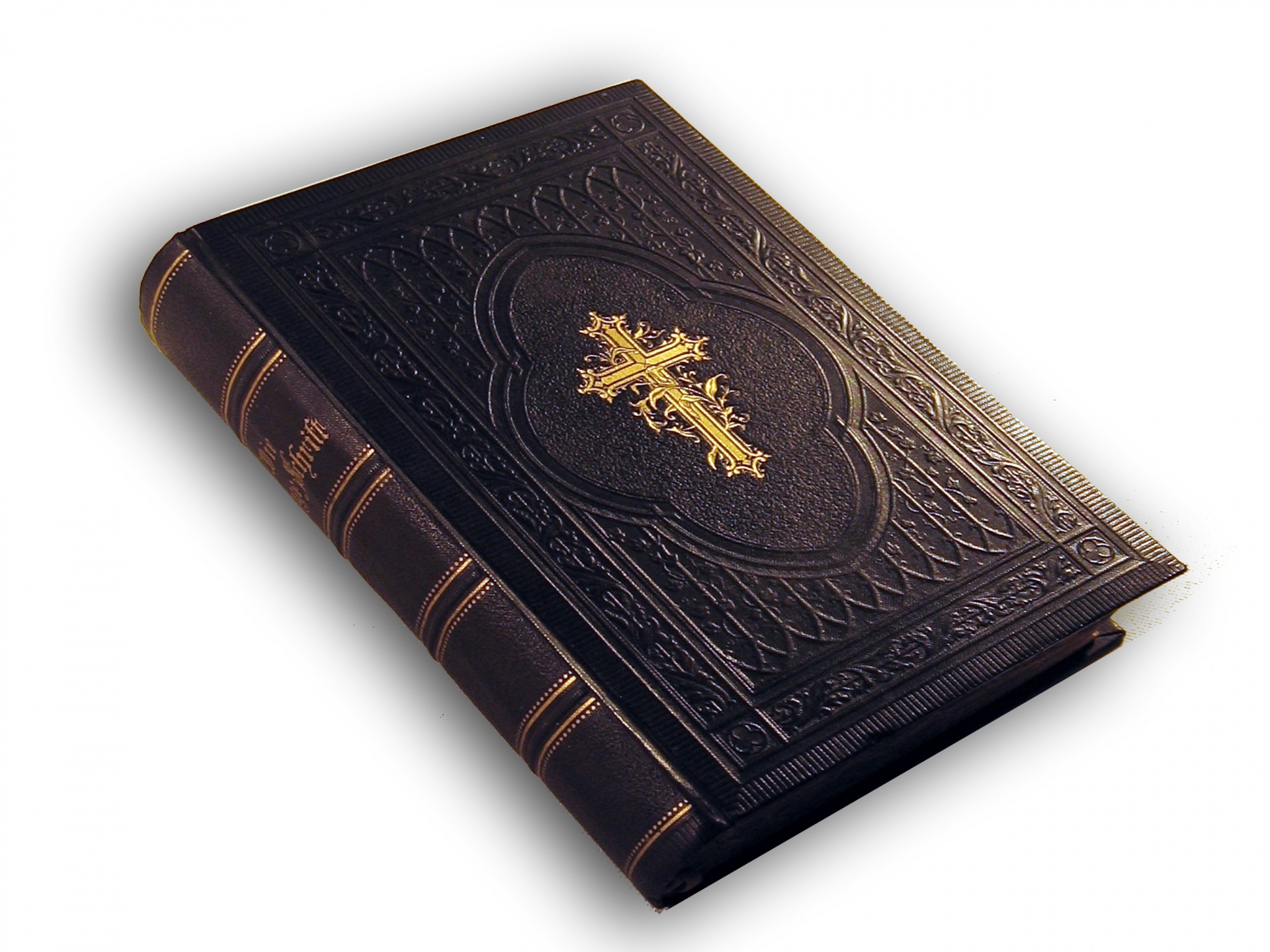
The Left spent decades scrubbing Christianity out of America’s government schools. They pulled prayer, pushed out the Ten Commandments, and treated the Bible like contraband.
Texas just told them enough is enough.
And now the Republican-controlled State Board of Education has done something no other state has ever done, and the people who hate it most are already screaming.
What Texas Actually Did
Texas will become the first state in the nation to require public school students to read selections from the Bible after the Republican-controlled State Board of Education signed off on a sweeping new statewide reading list.
The newly approved curriculum, which will be phased in beginning with elementary school students in 2030, requires public schools to assign passages from the Bible alongside a broader collection of literary works.
The requirements will eventually extend into middle and high school, where students will read excerpts from books including Jonah, Psalms, Genesis, and Lamentations.
The proposed new list contains around 200 texts, including Bible passages, essays, and books, far in excess of the minimum the state originally set out to require. Educators may continue assigning additional books, but they cannot replace the state-mandated texts.
Picture-book stories for elementary students, including “David and Goliath” and “Daniel and the Lion’s Den,” are on the required reading list. By fourth grade, students would encounter passages about Jesus in the New Testament.
For high schoolers, the list requires the reading of specific Bible passages as supportive materials for literary works including works by Dickens and Jane Austen’s “Pride and Prejudice.” And alongside Shakespeare’s “The Tragedy of Julius Caesar,” students must also read a eulogy for President Ronald Reagan written by former British Prime Minister Margaret Thatcher. That one is going to drive the faculty lounge crowd absolutely up the wall.
This Didn’t Come Out of Nowhere
The action follows a 2023 state law directing education officials to identify required literary works for every grade level.
Texas has been moving in this direction for a while now. In 2023, the state became the first to allow chaplains to counsel students, and the following year, it approved a measure that offered more funding to schools that teach an optional Bible-infused elementary school curriculum.
In April, an appeals court ruled Texas can enforce a law requiring classrooms to display copies of the Ten Commandments. So this isn’t some rogue move by a board that lost its mind overnight. It’s a deliberate, sustained effort to restore what was stripped away.
The state’s education code already requires K-12 schools to teach “religious literature, including the Hebrew Scriptures (Old Testament) and New Testament, and its impact on history and literature.” The new reading list puts teeth behind language that had been sitting on the books without much enforcement.
The People Who Showed Up to Support It
Former public school administrator Nancy Barker made the case plainly before the board. She argued the Bible readings “will provide students with the background knowledge you will need to understand the books, the speeches, poems and important documents that have shaped our civilization.”
Retired teacher Nancy Barker echoed that from a classroom perspective. “I believe including biblical references is appropriate because they are being used as literary and historical content rather than for religious instruction,” she told the board.
One Texas mother put it even more plainly. She said she believes Texas has always stood for “giving our kids the knowledge they need to succeed.” “Keeping biblical references in our social studies standards isn’t about pushing my religion, it’s about giving our students a complete education here and making sure they understand the history,” the mother said.
State Board of Education District 2 representative Brandon Hall, from Aledo, northwest of Fort Worth, is one of 10 Republicans on the 15-member elected board. The pastor championed the inclusion of Bible passages and Christian stories as a valuable reflection of American culture and what he wants every Texas student to learn.
The Opposition, and What It Actually Reveals
Critics lined up, naturally. “Kids of all faith backgrounds and no faith are served by Texas schools and they should all feel welcome in Texas schools,” said Elva Mendoza, legislative communications associate for the progressive Texas Freedom Network.
But here’s the thing nobody on that side wants to say out loud: children in America’s government schools have been reading Greek mythology, studying Islamic history, and sitting through lessons on Hindu traditions for decades, and not one of those same advocacy groups raised a serious fuss. The objection isn’t really about fairness. It’s about Christianity specifically.
Such strict requirements amount to “almost de facto censorship,” Kasey Meehan of PEN America’s Freedom to Read program said, comparing the list to book bans. Which is a remarkable thing to say about a list that adds books rather than removes them. But that’s where we are.
Teachers may be put in a position to teach religious texts they are not familiar or comfortable with, said Rabbi Joshua Fixler with Congregation Emanu El in Houston. “This list is full of Christian texts that are inappropriate for public school classrooms. As a rabbi and a parent of Jewish kids, I think it is vital that this board make a distinction between teaching about religion and teaching religion. This list will force teachers to cross that line,” Fixler said.
It’s worth noting that the board isn’t asking teachers to lead worship services. It’s asking them to teach literature, the same way English teachers have always taught Homer or Dante without anyone accusing them of promoting paganism or Catholicism.
Board member Tiffany Clark, a Christian and Democrat who represents parts of Dallas-Fort Worth, had vocally opposed the curriculum. Clark said she and some of her Christian constituents believe “Bible lessons should be taught on Sundays.” And that’s a fair position for a parent to hold. But it’s a different argument than the constitutional one critics keep reaching for.
This is a massive win against the left’s war on Christianity.
Why This Matters Beyond Texas
The plan will impact more than 5 million public school students, as Texas emerges as a leader in a national conservative effort to infuse Christian teachings into American classrooms.
And that scale matters. Texas, which educates roughly 1 in 10 of the nation’s public school students, has been at the forefront of a charge by conservatives to incorporate more religion into classrooms. When Texas moves, curriculum publishers, textbook companies, and other state boards pay attention. That’s just how it works.
Antero Garcia, president of the National Council of Teachers of English and a Stanford University professor, said he doesn’t know of any other state with a mandatory reading list that includes religious texts. Which means Texas is, by any measure, doing something genuinely new.
America was built on a Judeo-Christian foundation. That’s not a talking point, it’s what you find when you read the Founders’ own words, the documents they produced, and the institutions they created. For generations, government schools quietly pretended otherwise. They taught children that Western civilization arrived from nowhere in particular, that the moral architecture of the country had no source worth naming. Texas is now saying that’s not good enough.
But the Left will litigate this. Count on it. The same groups that spent years demanding government schools treat every world religion as equally worthy of study will spend the next several years arguing that the Bible, specifically, has no place in a classroom. The lawsuits are probably already being drafted.
Whether those lawsuits succeed is another question. The Ten Commandments ruling in Texas’s favor suggests the legal ground may be firmer than critics hope. And with the current composition of the federal courts, the outcome is far from certain for those who want to keep Christianity out of public life permanently.
What Texas did here is simple enough: it recognized that you cannot understand Shakespeare, the Declaration of Independence, Lincoln’s second inaugural address, or half the great literature of the Western world without knowing what the Bible says. That used to be common sense. Now it’s a news story.
Sources: Mediaite, CNN, Texas Standard, ABC News