

The WNBA loves to talk about protecting women.
But when two men stood up and actually demanded it, the league went silent.
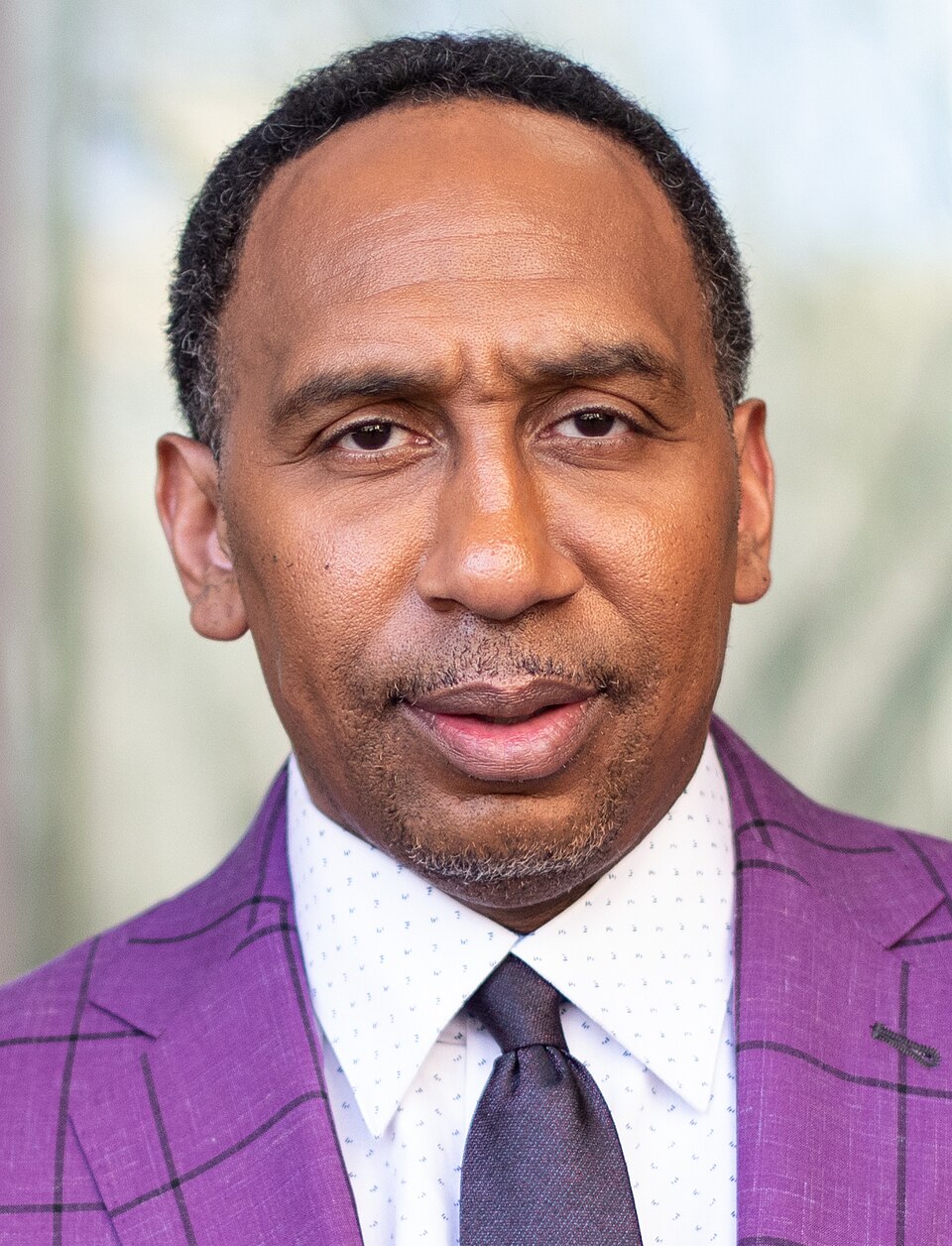
And Stephen A Smith just praised Enes Kanter Freedom and Royce White for pulling back the curtain on the WNBA’s glaring double standard on biological males in women’s sports.
What Freedom and White Actually Said
Enes Kanter Freedom, the former NBA center who built his post-playing career around human rights advocacy, took direct aim at the WNBA for what he called flagrant hypocrisy.
Freedom pointed out that a league billing itself as a champion of women has no coherent answer for why it won’t take a firm stand against biological males competing in women’s basketball.
Royce White, who ran for Congress in Minnesota as a Republican and has been one of the louder voices on the Right in sports commentary, made the same argument with similar force.
Both men framed the issue not as a culture war distraction but as a basic fairness question that the league refuses to answer honestly.
And Stephen A Smith, not exactly a reliable conservative ally on most issues, agreed with them publicly.
Smith said on his show that Freedom and White were right to call it out, and that the WNBA’s posture on the question is indefensible given how loudly the league markets itself as a defender of women.
The Binary the WNBA Refuses to Acknowledge
Here is the problem the league cannot talk its way around.
If the WNBA bans biological males from competition, it is admitting that transgender identity does not change biological sex, which means the central claim of transgender ideology collapses on contact with the very sport the league is supposed to protect.
But if the WNBA allows biological males to compete, the competitive incentive structure takes over immediately.
Teams facing elimination, teams chasing championships, teams trying to survive in a league with thin rosters and razor margins will recruit male athletes willing to identify as women.
There is no stable middle ground here. Biological reality cannot be negotiated away with a press release about inclusion.
The WNBA’s leftist, woke culture has spent years treating progressive political posturing as a substitute for actual policy, and this is where that strategy runs out of road.
Freedom, who was banned from the NBA after speaking out against China’s treatment of Uyghurs, knows something about what it costs to say true things in sports leagues that prefer silence.
He spent years watching the NBA celebrate its own moral courage while caving completely to Beijing the moment money was on the table.
The WNBA’s version of that same cowardice is refusing to answer a straightforward question about who gets to play in a women’s league.
Why Smith’s Agreement Actually Matters Here
Stephen A Smith is not a conservative commentator. He does not come at this from an America First angle, and nobody should pretend otherwise.
But that is precisely what makes his agreement with Freedom and White worth noting.
When someone who spent years as one of ESPN’s most prominent voices, someone with no particular ideological stake in the argument, looks at the WNBA’s position and calls it hypocritical, that is not a partisan talking point.
That is a recognition that the league’s public stance on women’s empowerment and its actual policy on who competes as a woman cannot both be true at the same time.
Smith said what a lot of people in sports media are still too nervous to say out loud.
And the fact that it took two men, one a Turkish-born human rights activist and one a Republican congressional candidate, to force the question into the open says something about how thoroughly the sports media complex has avoided this conversation.
Caitlin Clark’s arrival drove a massive surge in WNBA viewership and attendance. Fans showed up because they wanted to watch elite women’s basketball.
Those same fans deserve a league that can say, without hedging, that the competition they are watching is actually women’s competition.
The WNBA cannot say that right now. It will not say that. And Freedom and White are correct that the league’s refusal to answer the question directly is its own kind of answer.
The league markets itself as a movement. Movements are supposed to stand for something.
But standing for women, it turns out, requires the WNBA to say something the league’s progressive political identity will not allow it to say.
So instead it says nothing, hides behind language about inclusion and dignity, and hopes nobody notices that the two positions cannot coexist.
Freedom and White noticed. Smith noticed. And the longer the league stays quiet, the harder it becomes to pretend the silence is principled.
Sources: Mediaite, Stephen A Smith Show