

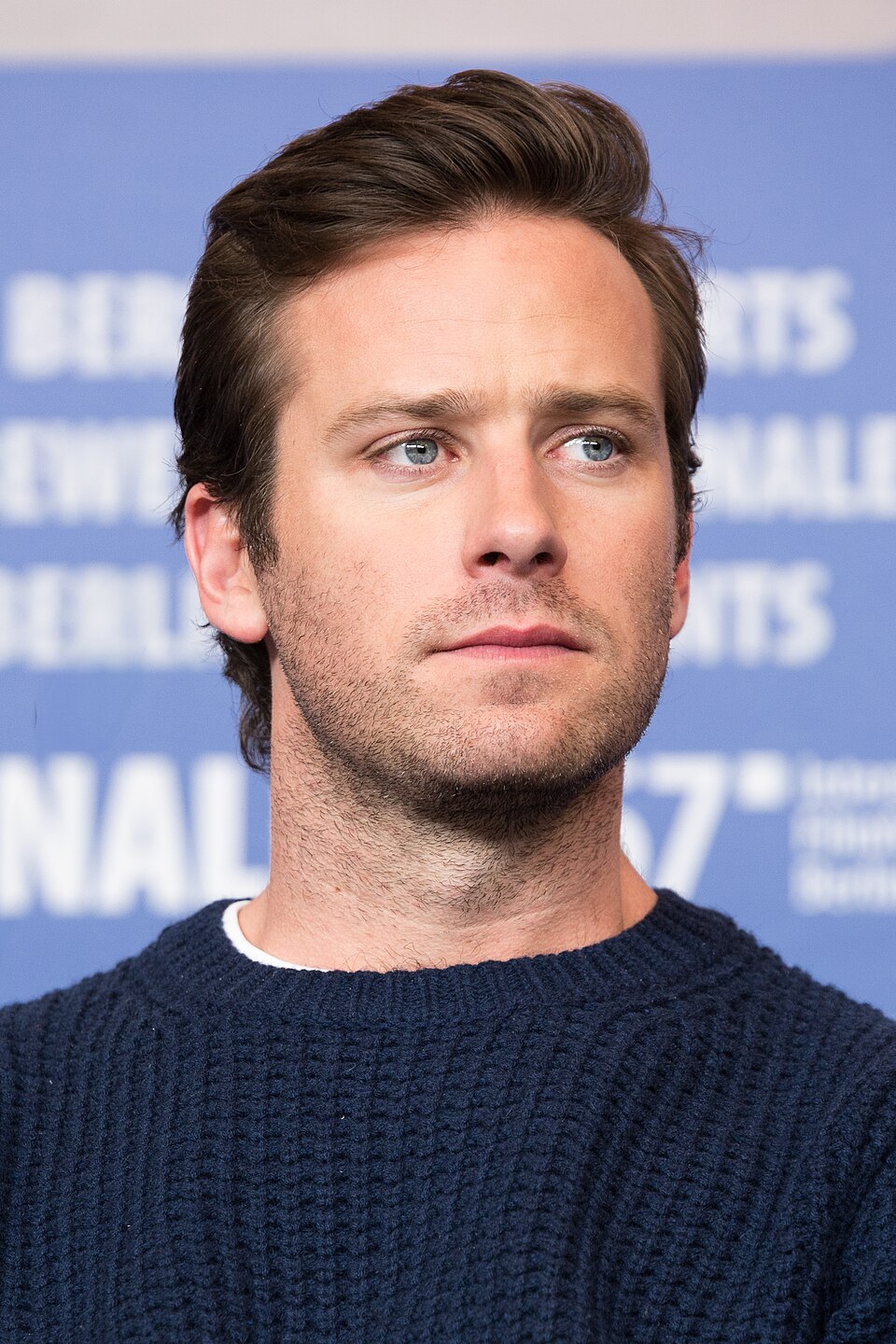
Hollywood spent years trying to make Armie Hammer disappear.
A low-budget film nobody in the entertainment establishment wanted made just humiliated every major studio in America.
And when Elon Musk got behind it, all hell broke loose.
Citizen Vigilante is not a film the gatekeepers wanted anyone to see. Directed by German filmmaker Uwe Boll, it was released June 19. The movie follows an American man living in Europe who acts as a vigilante killing criminals. The film is billed as a modern-day riff on Death Wish and was released in the United States by Quiver.
The Censors Freak Out Over Citizen Vigilante
Hammer, who rose to fame for his role as the Winklevoss twins in the 2010 movie The Social Network, plays the lead. He was blacklisted from Hollywood following sexual abuse allegations in 2021, though police ultimately decided not to charge him. Since those allegations emerged, Hammer had largely been absent from Hollywood, aside from a return to cinema in Frontier Crucible released in December.
The film’s premise is not complicated. It tells the story of an American man living in an unnamed European city who is angered by violence perpetrated by migrants and takes the law into his own hands by killing immigrant criminals and corrupt officials. The film begins with a mother being stabbed to death by migrant criminals in front of her son.
Boll said the movie “is dedicated to all the women in Europe who got left alone by the law,” adding that “so many cases of random rapes, random stabbings, random violence happened based on mass migration.”
Germany’s government had other ideas about whether audiences should be allowed to see any of that.
Germany’s film ratings authority, the FSK, declined to award the film either an adults-only classification or a “No Youth Clearance” designation. Without a rating, the film cannot be distributed through cinemas, television broadcasters, streaming services, or major retailers in Germany.
Boll told the Daily Telegraph: “The rating system refused to give us a rating [in Germany], so now you can only watch it if you bring in a Blu-ray from Austria or Switzerland. And I think they did that on purpose. It was a deliberate censorship decision. I hired a lawyer to complain about it, but we lost in a six-two vote as I was told that the film was inciting violence against migrants.”
Boll, who is German himself, said he is taking legal action over the decision, arguing the classification ruling amounts to censorship. “It’s against the constitution, it’s completely ridiculous to do this kind of censorship for a movie, or a book or anything,” he said in an interview with Jack Posobiec on Real America’s Voice.
A Film that Fits the Moment
He claimed the movie was being penalized because “the facts don’t fit the political ideas of the current government.”
That’s a remarkable thing to hear from the director of a film set in his own country. But Boll has never exactly played it safe. He told one interviewer: “It’s absurd how I feel politically. Now you’re being told that if you’re a conservative about anything — social, sexual, political — that you’re a Nazi. But this is how things stand at the moment. If you question anything — such as the hundreds of billions being pumped into Ukraine — then you’re either a friend of Putin or a Nazi or both.”
And the American public, apparently, has heard enough from the gatekeepers.
Elon Musk boosted the film on X, sharing a video of it and amplifying posts praising the movie. Musk suggested that efforts to ban the movie were causing a “Streisand Effect” and further boosting its reach on the internet. He also reshared posts by people buying the movie on Amazon’s digital video-on-demand service and highlighted its 95% audience score on Rotten Tomatoes.
The film cost $750,000 to make and is now beating blockbusters with hundreds of millions in production budget. It hit number one on both Apple and Amazon. The establishment spent tens of millions trying to produce content audiences would watch, and a shoestring thriller they tried to bury beat all of it.
Popular right-wing account Libs of TikTok posted a screenshot showing the movie had become a top seller on Amazon, calling its success “the biggest F U to Germany and the open border globalists who really don’t want you to see this movie.”
Entrepreneur Patrick Bet-David put it plainly. He wrote: “Watched Citizen Vigilante last night. There’s a reason it’s the #1 movie on Apple. It taps into the rage millions of people feel when their own government won’t protect them or their kids. No wonder Germany and several other countries banned it. A must watch.”
That rage is real. And it isn’t manufactured by a film. The film just refuses to pretend it doesn’t exist.
What the German government and the American entertainment press both seem to miss is that audiences are not watching Citizen Vigilante because Uwe Boll is a celebrated auteur. Boll himself said he hopes the film gets released in Britain, noting that “in Europe at the moment, people are shying away from making this kind of harsh political movie, but I’ve always tried to smuggle politics into genre movies. This isn’t a documentary, it’s a thriller.”
But the critics who want to dismiss it as a genre exercise miss the point entirely. Boll says the film was inspired in part by real criminal cases in Germany and described it as a fictional work intended to confront security challenges in Europe. Whether or not any given viewer agrees with every choice the film makes, the underlying question — what happens when governments refuse to protect their own citizens — is not a fringe concern. It’s a question millions of people across Europe and America are asking right now.
Hammer’s decision to star in the film comes amid a broader trend in which certain entertainers who have faced backlash from mainstream Hollywood have found new audiences and opportunities through conservative platforms. Gina Carano aligned herself with conservative media after being dropped from The Mandalorian in 2021. Comedian Roseanne Barr also built ties with right-leaning media after ABC cancelled her sitcom revival in 2018.
Hollywood’s blacklist didn’t end careers. It just redirected them toward an audience the studios forgot existed.
The same entertainment press that ignored the concerns driving this film’s popularity is now scrambling to explain why a $750,000 movie nobody wanted to distribute is sitting at number one. The answer is not complicated. The film taps into the rage millions of people feel when their own government won’t protect them or their kids. When institutions fail people long enough, those people find other ways to process what’s happening to them. Sometimes that’s at the ballot box. Sometimes it’s a movie.
Germany’s censors handed this film more free publicity than any marketing budget could have bought. And the audiences who found it aren’t going away.
Sources: Mediaite, Variety, Newsweek, The Washington Times, Forbes, The European Conservative