

The media had a full meltdown when they found out President Trump quietly slipped off Air Force One in Turkey.
Reporters who travel with the most powerful man on earth apparently forgot that the job comes with some risk.
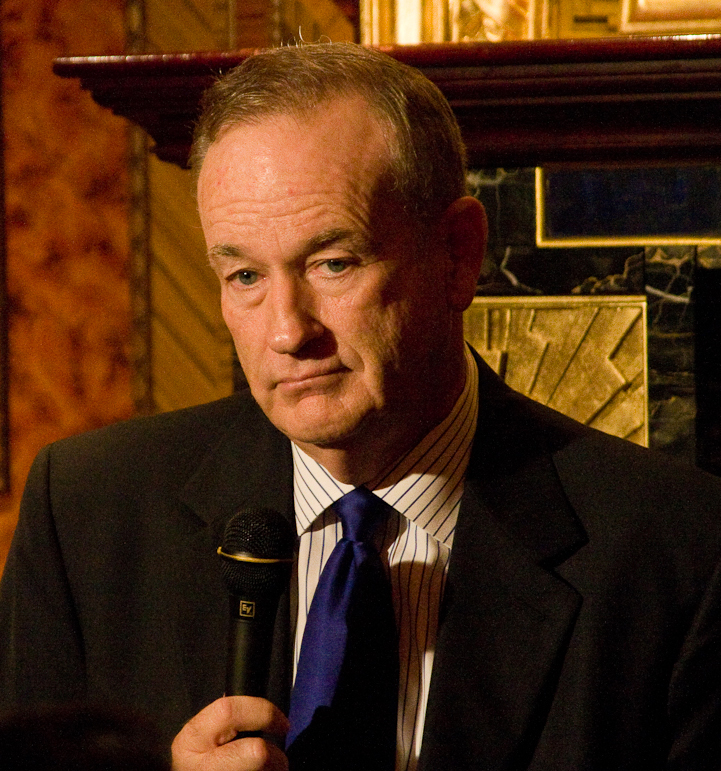
And Bill O’Reilly went on NewsNation and said exactly what millions of Americans were already thinking about the press corps’ outrage.
What Actually Happened in Ankara
An Iranian assassination threat prompted President Trump to secretly switch planes in Turkey last month, with Air Force One serving as a decoy while he flew out on a smaller military aircraft. Trump was spirited into a catering container, which ferried him to a C-32A aircraft that took him to the United Kingdom.
The press pool and several White House staff stayed on the original Air Force One, unaware the president was gone and unaware their plane was now the decoy.
While in Ankara, members of the press were told to keep the window shades in Air Force One’s press cabin closed. Asked later why the shades needed to be closed, Trump told reporters they were “probably on a dangerous flight because of the sleazebags that we have to deal with.”
Trump confirmed the switch, telling reporters at Joint Base Andrews, “It’s only up to the Secret Service. I just follow what they’d like to do, so I go by Secret Service and the military.” He added: “They wanted me to go on a different flight, a different plane, equal safety, but they wanted me to do it, so I do it, I do what they say.”
The Washington Post was first to report on the plane switch, which occurred in Turkey after an Iranian threat against Trump’s life. And the moment that story broke, the press corps treated it like a betrayal rather than a security operation.
O’Reilly Drops the Hammer
Bill O’Reilly wasn’t interested in entertaining the outrage.
O’Reilly said he wasn’t sure how credible the threat was, admitting it sounded a little “half-baked,” but he argued the president’s team made the only logical choice they could.
And then he said what needed saying.
“This was a cautionary move, which anybody would do. But you can’t be saying to the press, ‘Hey, the president’s not gonna be on because the plane may blow up.’ I mean, come on, these people are fools. And the people that you just…they’re just fools. They don’t know how it works. They don’t care how it works. All they wanna do is bash Trump all day, every day,” O’Reilly said.
That’s about as plainly as it can be put. You can’t brief the press on a covert security operation and then expect the operation to remain covert. The whole thing falls apart the second you announce it. The reporters on that plane were not in danger because of some reckless decision by the Trump team. They were on a decoy flight because that’s what security operations require.
Pavlich backed O’Reilly up, noting that “there were cabinet officials who stayed on the plane in addition to the press pool.” So it wasn’t reporters singled out as expendable. Senior administration officials flew the same route.
Pavlich agreed, telling people in the press to “stop whining.” “There were cabinet officials who stayed on the plane in addition to the press pool,” she said. “So, as you said, that’s the way it works. That’s the job you sign up for. And whenever you travel with the president, especially this president, you do put yourself at risk, and that’s part of the gig. So I think they should stop whining about it if they want to continue that line of work.”
What This Actually Reveals About the Press
The anger here isn’t really about safety. Nobody in the White House press corps genuinely believes they were put in mortal danger by a security protocol designed to protect the President of the United States. The plane they were on landed without incident. They filed their stories. They went home.
What they’re actually upset about is that they didn’t know. They weren’t in the loop. The administration made a decision without consulting them, and they found out about it later from reporting, not from a briefing. That’s the wound. The press corps has spent years operating under the assumption that proximity to power entitles them to transparency about how that power operates.
But presidential security doesn’t work that way. It never has. The Secret Service doesn’t run threat assessments past the traveling press before executing a protection plan. Bill Clinton’s White House used a similar plane-change maneuver back in 2000, and the press was briefed on the operation and its dangers — which, depending on your view, either makes the Clinton approach more considerate or makes the whole “decoy” strategy pointless. If you tell the press the plane is a decoy, the decoy stops working.
Trump’s team chose operational security over press relations. That’s a defensible call when the threat involves a potential surface-to-air missile, and it’s the kind of call the Secret Service, not the communications office, gets to make.
The media’s response tells you something important about where the press corps is right now. A credible Iranian assassination threat against a sitting American president generated less outrage than the fact that reporters weren’t informed about the countermeasure. That’s a strange set of priorities, and O’Reilly was right to call it out in plain language.
Iran has been a persistent threat to this president throughout his second term. Trump’s diplomatic efforts to negotiate a resolution with Tehran represent a genuine attempt to end that cycle of danger without committing American troops to another open-ended conflict. The same press outlets now furious about a plane switch have shown far less urgency about the underlying threat that made the switch necessary.
And that’s the part that doesn’t get enough attention. The story isn’t the logistics of how Trump left Turkey. The story is that Iran was allegedly threatening to shoot down the plane carrying the American president. That’s the thing worth being angry about. But the media found a way to make themselves the story instead, which is what they do.
O’Reilly has seen enough of Washington to recognize the pattern. The press doesn’t cover Trump. They prosecute him. Every story becomes a vehicle for the same verdict, and a Secret Service security protocol becomes evidence of bad faith rather than evidence that the people protecting this president take the threats against him seriously.
Pavlich put it simply: if you want to travel with the president, you accept the conditions that come with it. That’s the job. Complaining about it publicly doesn’t make anyone safer. It just makes the complainer look like they don’t understand what they signed up for.
O’Reilly used the word “fools.” That’s probably the charitable version.
Sources: Mediaite, NewsNation, The Washington Post, CBS News, Time, Al Jazeera