

President Donald Trump has a midterm fight on his hands. The Democrat Party smells blood and has rolled out its biggest star.
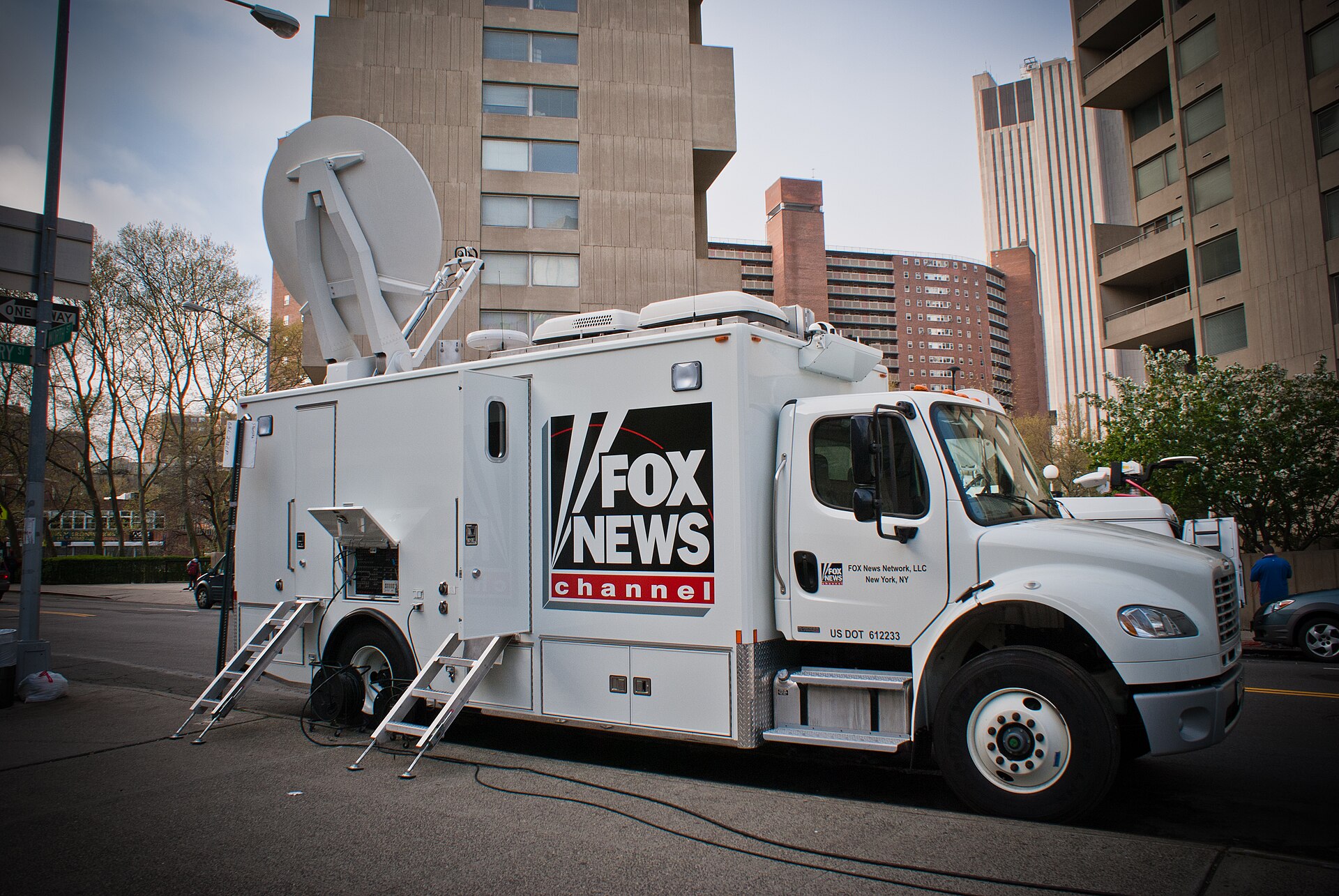
Fox News usually feels like friendly turf for Republicans heading into November.
But one Fox host just said something about the midterms that GOP strategists did not want to hear on morning television.
Barack Obama Heads to Michigan to Prop Up a Struggling Candidate
It started with a Senate race in Michigan.
Abdul El-Sayed, the Democrat running for the US Senate in Michigan, sat down with Fox News anchor Martha MacCallum, and the interview turned contentious. Fox & Friends aired a chunk of that exchange and then brought in network contributor Byron York to size up the bigger midterm picture.
Co-host Ainsley Earhardt kicked things off with a question about former President Barack Obama, who plans to campaign for El-Sayed in Detroit later in October.
“Why is he doing this?” Earhardt asked.
York didn’t sugarcoat it. “Obama is going to Michigan because El-Sayed needs his help,” he said. “I think there’s absolutely no doubt about it.”
York predicted Obama would lean on a familiar bit about winning the White House despite having an unusual name, then hand that same line to El-Sayed. He also took a dry swipe at the candidate’s personality. “Nobody really ever talks about El-Sayed as charming,” York said.
That one stings a little.
And it tells readers something important. Democrats don’t fly their most famous surrogate into a race they think they have locked up.
Obama isn’t stopping at Detroit, either. According to the segment, the former President has taped 24 ads for Democrat candidates, including Josh Turek in Iowa and James Talarico in Texas.
The Numbers Byron York Put on the Table
Earhardt then asked York whether Republicans could count on a boost of their own. His answer amounted to a cold shower for the House.
York pointed to two figures. He put Trump’s job approval at 38.4% in the Real Clear Politics polling average. He also said Democrats held a lead of more than eight points on the generic ballot, the long-running survey question that asks voters which party they want representing them in Congress.
“So the House is not looking good,” York said.
But York described a very different landscape in the Senate. He said several races sit within a point or two, effectively tied, and he warned that state-level polling tends to be less reliable than national numbers. “They really, really look up in the air right now in the Senate,” York said.
Earhardt wrapped the segment with a line that will bounce around Republican circles for a while. “It is pretty standard for the opposite party to do well in the midterms,” she said.
What Earhardt Got Right and What the Doom Crowd Leaves Out
Earhardt isn’t wrong on the history. Voters love to check whoever sits in the Oval Office.
Republicans picked up 54 House seats in 1994 during Bill Clinton’s first midterm. Obama’s own party lost 63 House seats in 2010. And Trump’s first midterm in 2018 handed Democrats the gavel.
But the rule bends more than the pundits admit. George W Bush’s Republicans gained House seats in 2002. And in 2022, the red wave that commentators promised for months shrank to a thin House majority while Democrats kept the Senate.
So the history cuts both ways. Midterms reward energy, turnout, and candidates who give voters a reason to show up, not just a reason to complain.
There’s also the matter of polling itself. National surveys underestimated Trump’s support in 2016 and again in 2020, a miss the polling industry acknowledged in its own post-election reviews. That doesn’t make a 38.4% approval number something the White House can shrug off. Nobody in the West Wing is framing that figure. Still, the folks who confidently wrote Trump’s political obituary twice before probably shouldn’t be the ones writing the midterm forecast with a straight face.
And notice where York himself drew the line. He flagged the House as the real trouble spot. The Senate, by his own description, remains a coin flip in a number of states.
That matters more than the cable chatter suggests. The Senate confirms judges, Cabinet officials, and ambassadors. Whoever controls that chamber decides how much of Trump’s agenda actually moves in the final two years of his term.
The Obama Card Says More About Democrats Than About Trump
Here’s the part the morning segment didn’t dwell on.
If the generic ballot really guaranteed a blue tidal wave, the Democrat Party wouldn’t need a man who left office in January 2017 to cut two dozen commercials and barnstorm Detroit. Parties confident in their message send their rising stars. Parties worried about their candidates send the closer.
It’s a little like a team up by eight points in the fourth quarter calling its retired quarterback out of the broadcast booth. Maybe the lead isn’t as comfortable as the scoreboard looks.
Obama also brings baggage into a state like Michigan. Plenty of working-class voters there backed him twice and then swung hard to Trump, in large part because the factory towns and union halls felt forgotten by the party Obama once led. Whether Obama’s charm still lands with those voters in 2026 is an open question. Democrats are betting a lot of airtime that it does.
Then there’s the question of what a Democrat House would actually do with power.
The last time Democrats won the House during a Trump midterm, they spent the next two years buried in investigations and impeached him. Voters who remember that stretch have every reason to ask what the next round of subpoenas would look like, and how many of the promises on the campaign trail would survive the first committee hearing.
None of this means Republicans can coast. A sitting President with approval in the high 30s and a generic ballot deficit north of eight points faces a genuine headwind, and York, to his credit, said so plainly on a network where that message isn’t always welcome.
But a headwind isn’t a verdict. The Senate map remains tight, the Obama tour signals nervousness on the other side, and the midterm “rule” Earhardt cited has broken before.
The final weeks will tell whether Democrats can turn polling leads into votes, or whether the old Obama magic fizzles in a state that already traded his party for Trump once.
Sources:
Mediaite, “Fox’s Ainsley Earhart Lowers the Bar on GOP Expectations for Midterms: It’s ‘Standard’ for the ‘Opposite Party to Do Well'”