

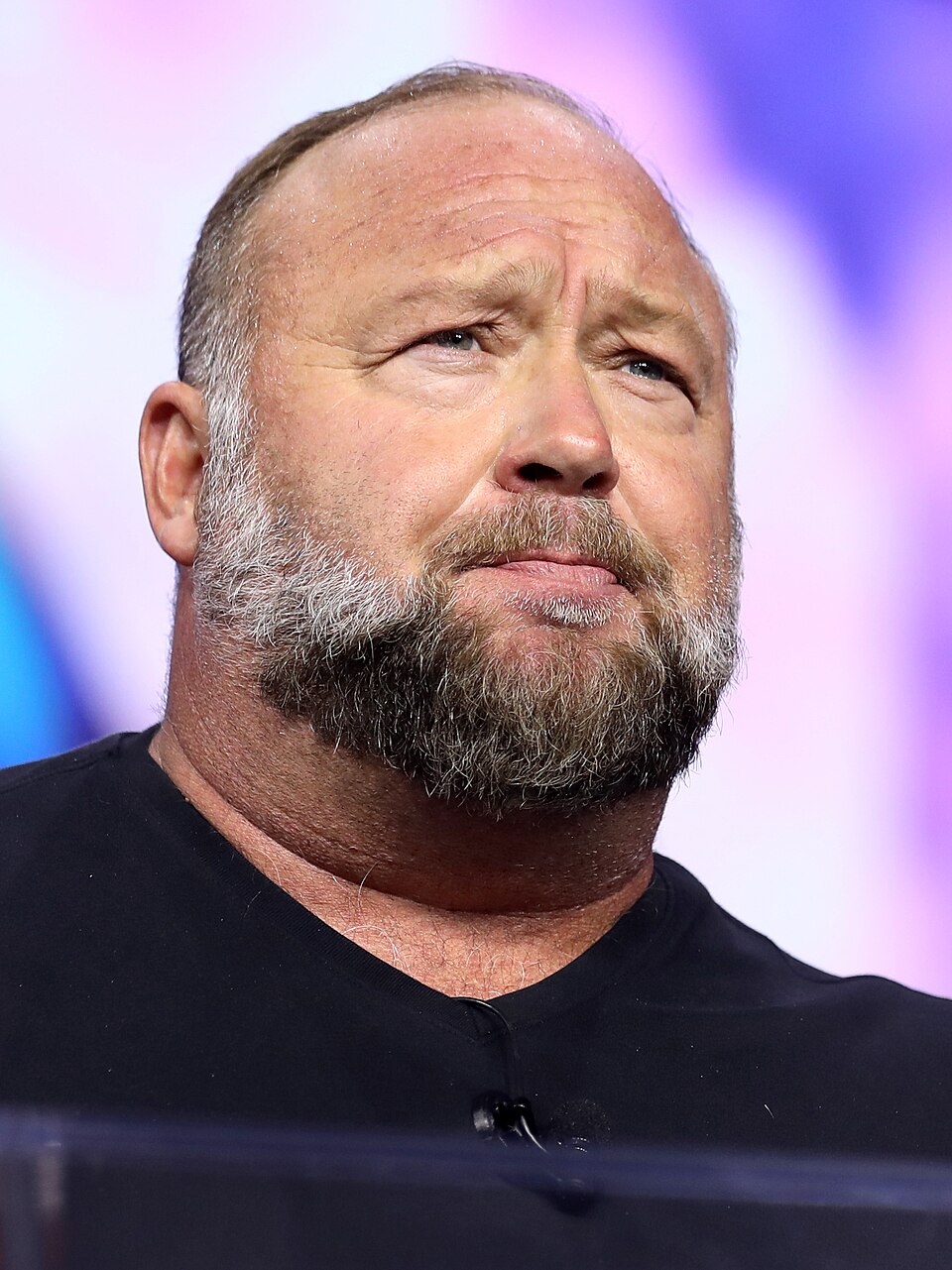
The legal war over Alex Jones and Sandy Hook just took a major turn.
A Texas appeals court rewrote the math on one of the most jaw-dropping damage awards in recent memory.
And the ruling is going to reignite the debate over whether defamation verdicts have become a financial weapon aimed squarely at conservative media figures.
What the Texas Court Actually Did
A Texas appeals court slashed the $50 million compensatory damages judgment that had been entered against Jones in favor of Neil Heslin and Scarlett Lewis, parents of a child killed at Sandy Hook Elementary School.
The court ruled that the $50 million figure ran headlong into Texas’ statutory damages cap, which limits compensatory awards in cases of this type.
The judgment wasn’t thrown out. The underlying verdict against Jones stands as legal fact.
But the size of the award, the number that made headlines and got repeated breathlessly across every major outlet, got cut down significantly by a court applying the law as written.
Jones had made statements about the Sandy Hook shooting that a jury found defamatory. The courts entered judgment against him. None of that changed with this ruling.
What changed is the dollar figure attached to that judgment, and that distinction matters a great deal when the broader pattern of defamation litigation gets examined honestly.
Record Damages and the Pattern of Targeting Conservative Voices
The original $50 million award in the Heslin and Lewis case was one piece of a much larger financial picture for Jones.
Across multiple Sandy Hook-related cases in Texas and Connecticut, the total damages assessed against Jones reached figures that, taken together, represented a sum large enough to effectively end any media operation in the country, conservative or otherwise.
The scale of these awards drew attention well beyond the specifics of Jones’ statements.
Legal observers on the Right pointed out that damages of this magnitude function less like compensation and more like financial termination, a mechanism that doesn’t just punish the speaker but eliminates the speaker’s ability to speak at all going forward.
That concern isn’t unique to Jones. Fox News faced a defamation lawsuit from Dominion Voting Systems following the 2020 election, a case that settled for $787.5 million. Whatever one thinks of the underlying claims, the dollar amounts involved in these cases against right-leaning outlets have no real parallel on the other side of the media landscape.
And that asymmetry is worth naming plainly.
The First Amendment protects speech outside the narrow lanes of actual defamation, incitement to violence, and slander. Courts entering nine-figure judgments in defamation cases create a chilling effect that reaches far beyond the named defendant, because any outlet or commentator watching those numbers understands the financial exposure that comes with saying something a jury might later decide crossed a line.
That’s not a defense of what Jones said. The courts ruled against him, and that record stands.
It is an observation about what happens to free expression when defamation law gets used as a financial cudgel rather than a tool for making injured parties whole.
Why the Damages Cap Ruling Actually Matters
Texas has statutory limits on certain categories of damages for a reason.
Legislatures set those caps because unconstrained jury awards, driven by emotion and the particulars of any given case, can produce numbers that bear no rational relationship to the actual harm suffered or to what the law was designed to remedy.
The appeals court didn’t free Jones or question the verdict. It applied the law Texas legislators put on the books.
That’s how the system is supposed to work. A jury decides liability and proposes a number. The court applies the legal framework that governs what can actually be collected.
The fact that the $50 million figure had been repeated so widely, treated almost as settled and permanent, says something about how these cases get covered.
The headline number becomes the story. The legal correction that follows gets far less attention, even when it’s substantial.
Jones still faces enormous financial exposure across the totality of the Sandy Hook litigation. The Texas ruling on compensatory damages doesn’t change that picture dramatically in practical terms.
But it does confirm what critics of runaway defamation awards have argued for years: that juries sometimes return numbers so large they cannot survive appellate review under existing law, and that the gap between the verdict headline and the legally enforceable judgment can be significant.
The broader litigation environment for conservative media hasn’t gotten easier. If anything, the combination of the Jones cases and the Fox-Dominion settlement has established a new ceiling for what plaintiffs’ attorneys believe they can demand from right-leaning outlets.
Whether those demands reflect genuine compensation for genuine harm, or whether they reflect a strategic calculation about the financial pressure that nine and ten-figure exposure creates, is a question worth asking every time one of these cases produces a record-breaking number.
The Texas court’s intervention here was a reminder that the law still has guardrails, even when the headlines suggest otherwise.
Source: The Wrap, “Alex Jones’ $50 Million Sandy Hook Judgment Slashed by Texas Appeals Court”