

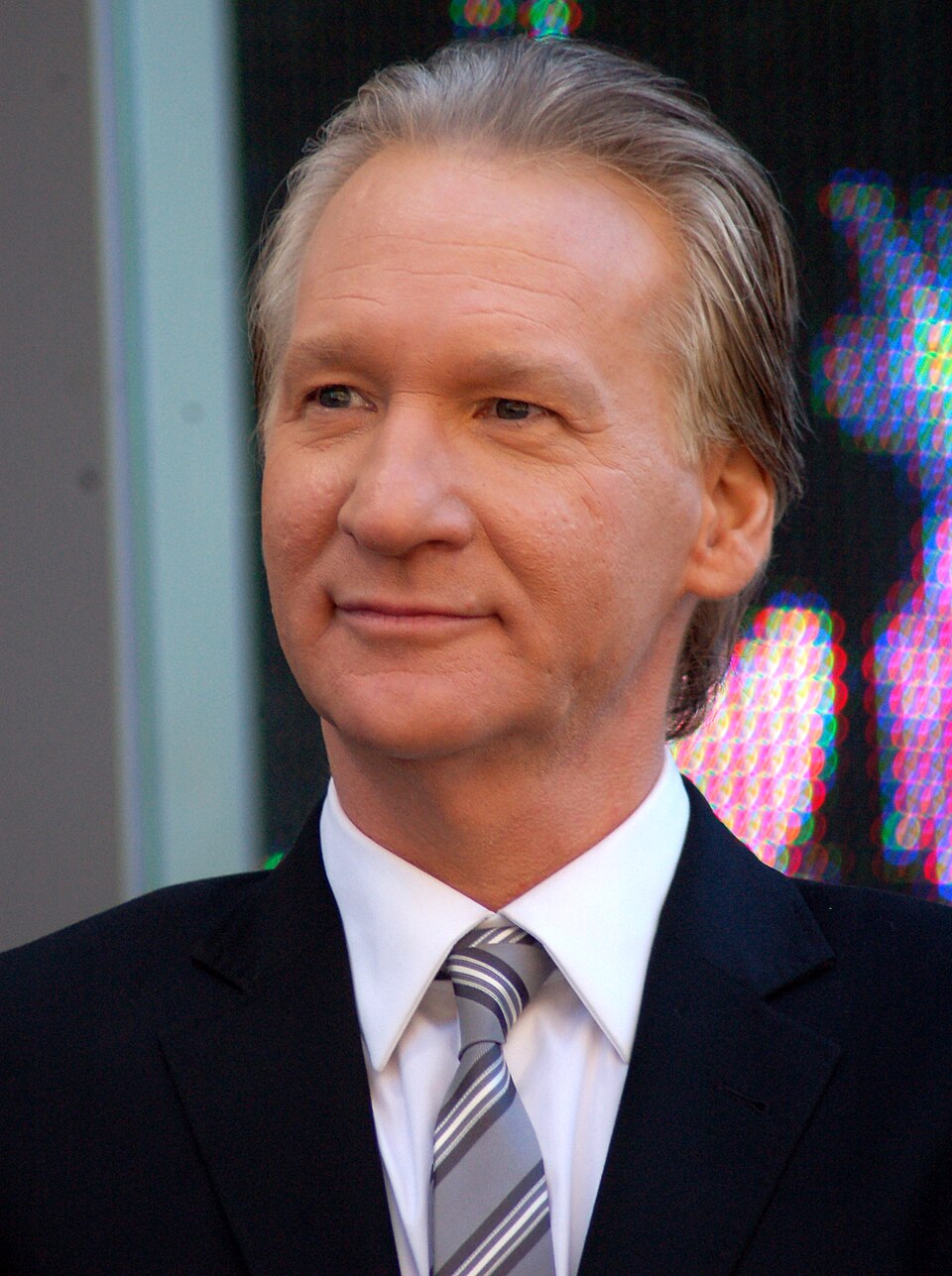
Bill Maher has never been the kind of liberal who stays in his lane.
He keeps saying things out loud that the Democrat Party desperately wishes would stay quiet.
And what he said about the Left’s whiteness obsession just left a lot of Democrats scrambling for a response.
Maher Goes After the Party’s Race-First Politics
On a recent episode of his HBO program Real Time with Bill Maher, Maher took direct aim at the Democrat Party’s fixation on whiteness as a political category, arguing the strategy has become a liability the party refuses to acknowledge.
Maher pointed to the word “whiteness” itself, mocking the way it gets deployed in left-wing political circles as though it explains everything wrong with America.
“Whiteness is a term that I think has been overused,” Maher said on the program. “And I think it’s turned off a lot of voters.”
That’s not a complicated observation. But coming from one of the Left’s own, it landed differently than it would from a conservative commentator.
Maher went further, tying the obsession with whiteness directly to the 2024 election results. His argument was blunt: when your political messaging makes a large chunk of the electorate feel like the villain in someone else’s morality play, they stop voting for you.
And they did.
What the 2024 Numbers Actually Said
President Trump didn’t just win in 2024. He won with a coalition that included meaningful gains among Black and Hispanic voters, groups Democrats had long treated as locked up. The party’s identity-first politics didn’t hold the coalition together. It cracked it.
Maher has been making versions of this argument for years, and the party keeps ignoring him. The consultants, the academics, the activists who built careers around concepts like “whiteness studies” and systemic racism as the organizing frame for all of American life — they still run the messaging operation for the Democrat Party, and they still don’t think they have a problem.
But the voters disagreed.
Working-class Americans, including plenty of working-class Americans who aren’t white, looked at a party that spent years telling them their country was fundamentally rotten and built on oppression, and they walked. Some of them walked straight to Donald Trump.
Maher’s point isn’t that racism doesn’t exist. His point is that turning “whiteness” into a political weapon, a term of accusation rather than description, drove people away from the Democrat Party and toward a candidate the party spent years calling an existential threat to democracy.
That’s a pretty significant strategic failure, and Maher is one of the few people on the Left willing to say it plainly.
The Left’s Identity Politics Problem Isn’t Going Away
Here’s what makes Maher’s critique worth paying attention to: he’s not a conservative. He’s not a Republican. He’s not someone who can be dismissed as a Fox News talking head pushing an agenda. He’s a lifelong liberal who supported Democrat candidates for decades, and he’s watching his party lose working-class voters at a rate that should terrify every strategist in Washington, DC.
And yet the response from much of the left-wing commentariat has been to attack Maher rather than engage the argument.
That tells you something.
The identity politics apparatus inside the Democrat Party isn’t just a messaging strategy. It’s an industry. There are careers, foundations, university departments, and nonprofit organizations built entirely around the concept that America is a white supremacist country in need of radical transformation. Admitting that this framing is a political loser means admitting that the last decade of progressive theory-building was counterproductive. Nobody in that world is eager to make that admission.
But the voters already made it for them.
The left-wing claim that America is a systemically racist country, that “whiteness” is a malevolent force requiring constant interrogation, that working-class white voters who support Trump are motivated primarily by racial resentment — these aren’t just politically toxic ideas. They’re wrong. America is a nation built on equal rights under the law, and the voters who rejected the Democrat Party in 2024 were rejecting a worldview, not a skin color.
Maher seems to understand that. The question is whether anyone in the party’s leadership does.
Democrats who now praise common sense and claim to be listening to voters should probably start by explaining why they spent years calling those same voters racists for not agreeing with them. That’s a harder conversation than praising Maher’s candor from a safe distance, and so far very few of them are having it.
The party has a long record of performing introspection after losses and then returning to the same playbook once the cameras move on. The consultants come back. The identity-first framing comes back. The language about whiteness and systemic oppression comes back. And then they lose again and act surprised.
Maher isn’t surprised. He’s been watching this cycle for years.
But pointing it out on HBO doesn’t fix it. The Democrat Party’s problem isn’t a messaging tweak away. It’s structural. The people who built the whiteness-obsessed political culture inside the party aren’t going anywhere, and the voters who left over it aren’t coming back just because Bill Maher said something sensible on cable television.
That might be the most honest thing to take away from this whole episode. Maher is right. The party won’t listen. And the voters already moved on.
Source: Yahoo Entertainment / Real Time with Bill Maher, HBO